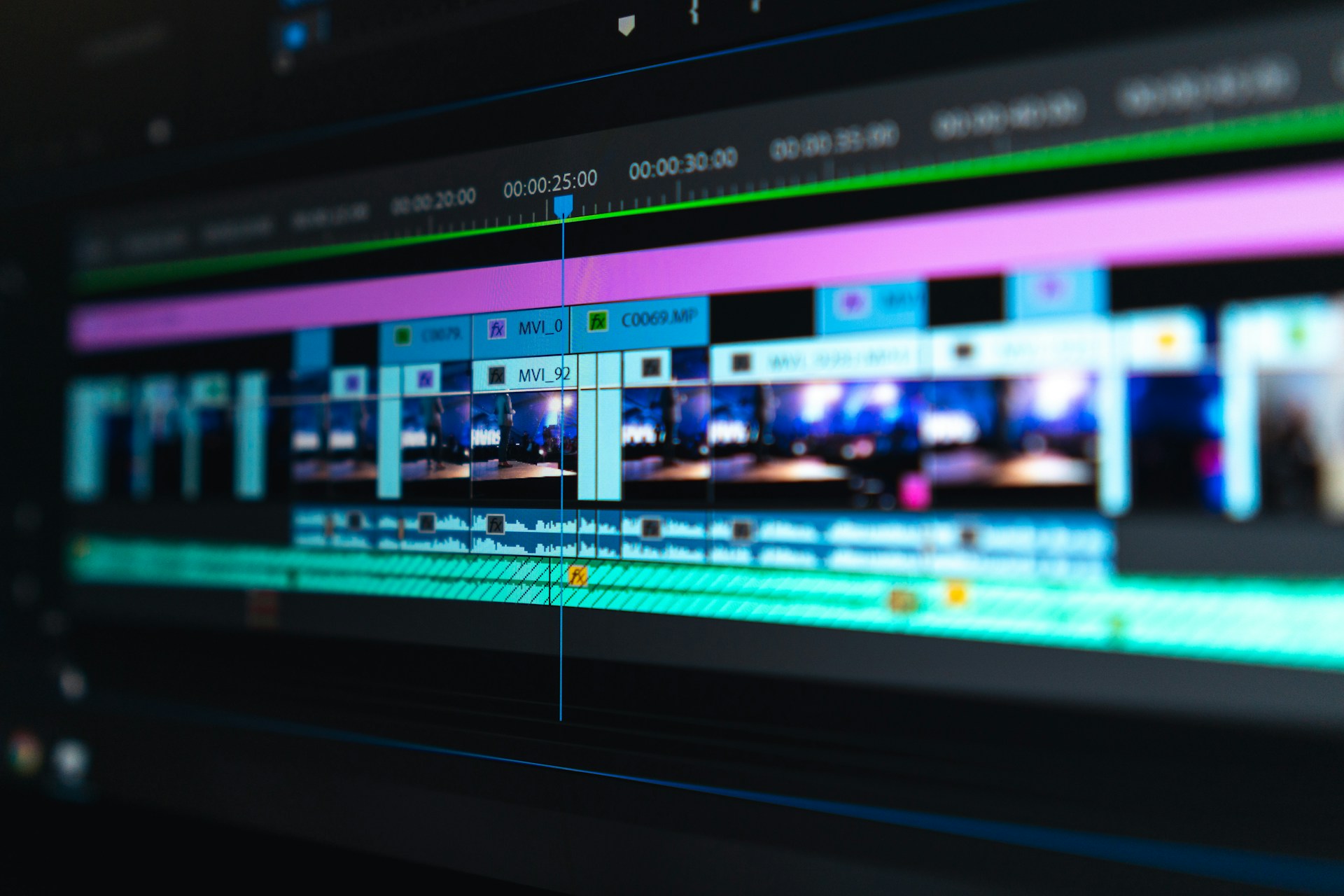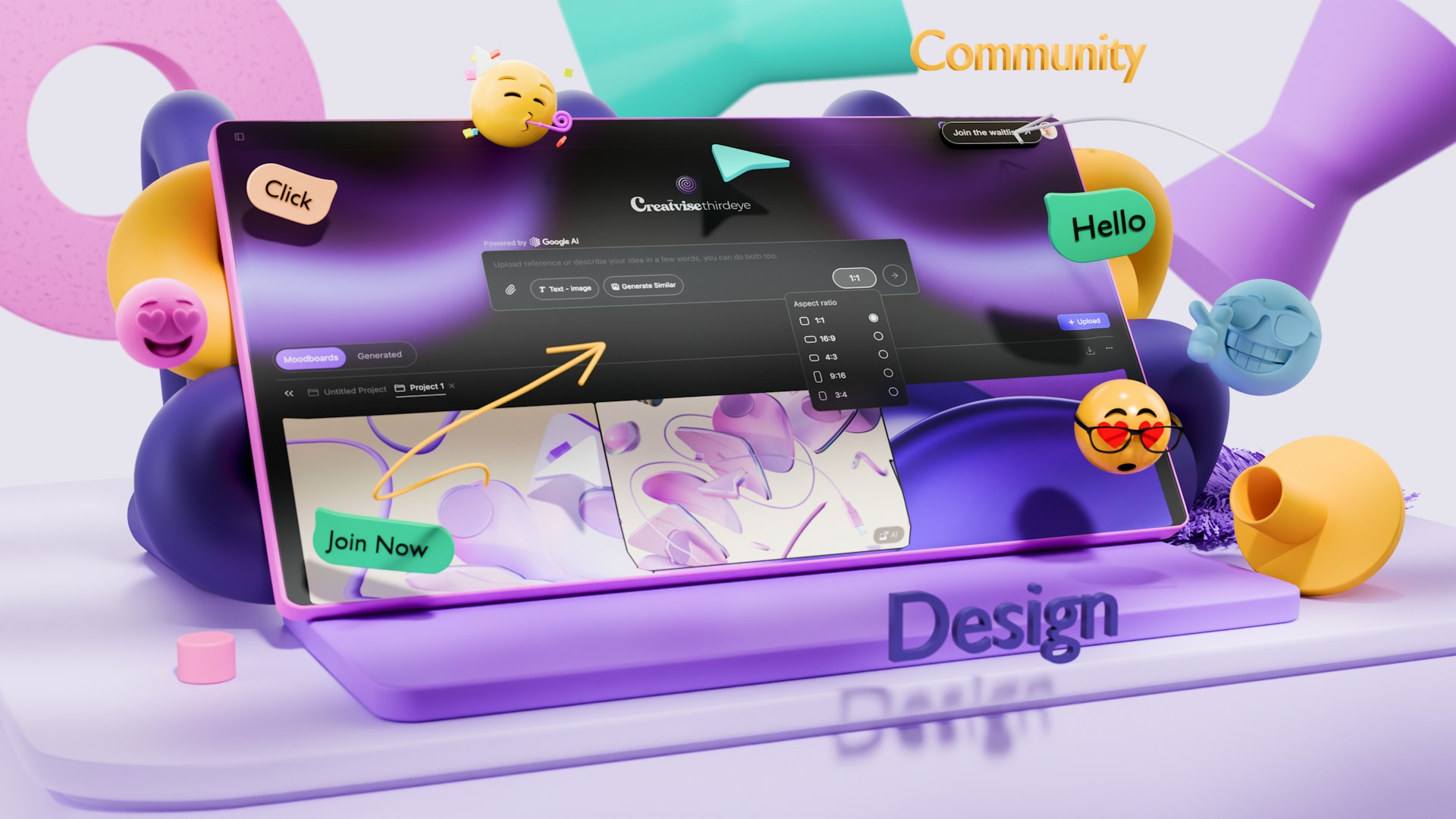
People are using AI for videos because it makes video creation faster, cheaper, and easier — even for people with no editing or filming experience.
Here are the main reasons:
- Faster Content Creation
AI tools can:
- generate scripts,
- create voiceovers,
- edit clips automatically,
- add subtitles,
- turn text into videos.
What once took days can now take minutes.
Popular tools include:
- Lower Production Costs
Traditional video production often needs:
- cameras,
- actors,
- editors,
- studios,
- expensive software.
AI can replace or reduce many of these costs. Small businesses, students, and solo creators can now make professional-looking videos on a budget.
- Social Media Demand
Platforms like:
- YouTube
- TikTok
reward frequent video posting. AI helps creators produce more content consistently.
- Easy Personalization
AI can create customized videos for:
- marketing,
- education,
- customer support,
- training,
- language translation.
For example, one video can automatically be turned into multiple languages or personalized for different viewers.
- Creative Effects and Animation
AI can generate:
- cinematic scenes,
- animations,
- avatars,
- visual effects,
- realistic backgrounds,
- entirely AI-generated characters.
This opens creative possibilities that used to require large film studios.
- Accessibility for Beginners
Many AI video tools are beginner-friendly:
- drag-and-drop interfaces,
- automatic editing,
- templates,
- AI assistants.
People without technical skills can still create polished videos.
- Business and Education Use
Companies use AI videos for:
- training employees,
- product demos,
- ads,
- explainer videos.
Teachers and students use them for:
- lessons,
- presentations,
- tutorials.
Concerns People Also Discuss
AI video growth also raises concerns about:
- fake videos/deepfakes,
- misinformation,
- copyright issues,
- job displacement in creative industries,
- loss of authenticity.
So while AI video tools are powerful, they’re also controversial in some areas.