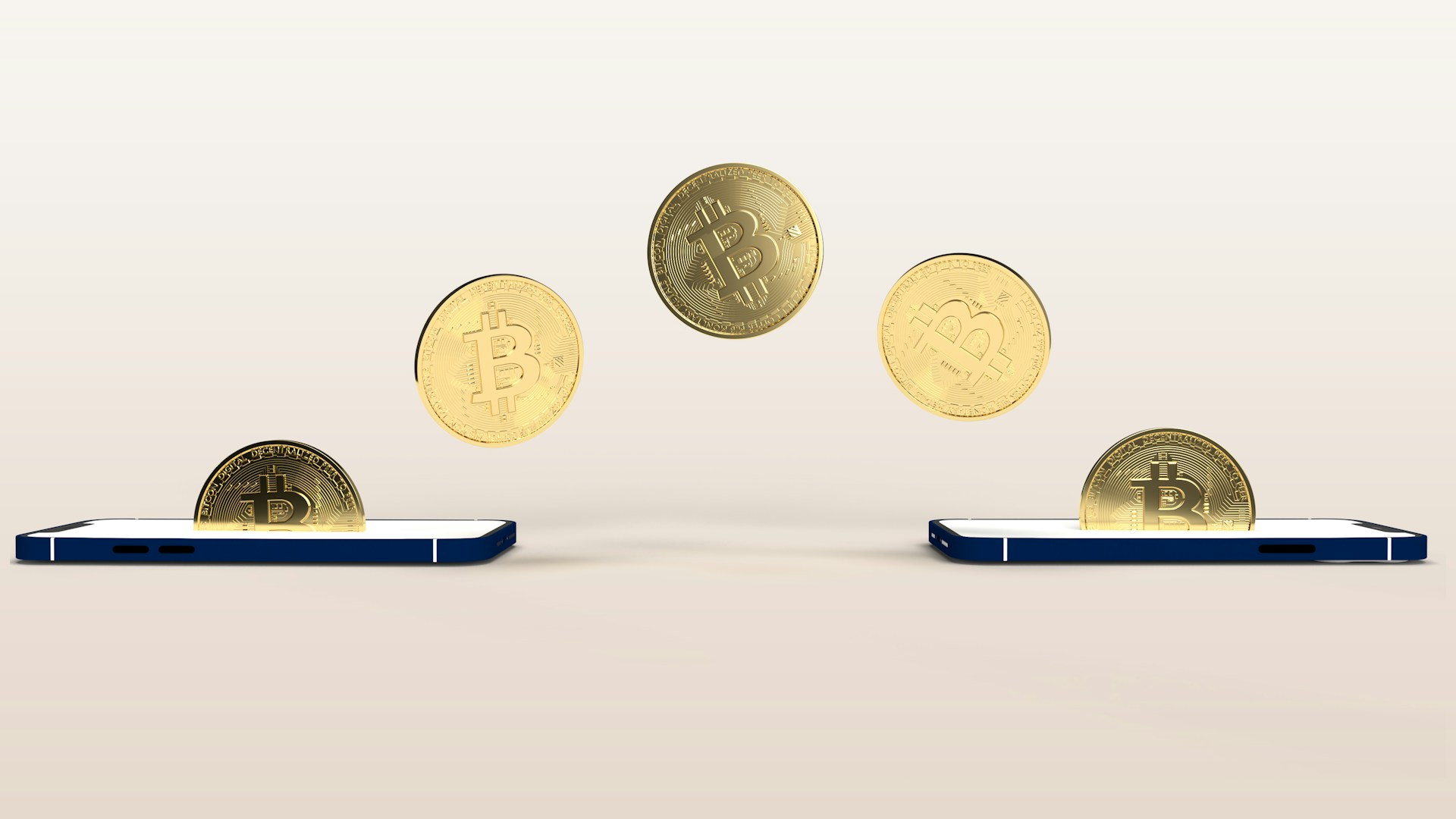
Digital currency has been gaining significant attention and adoption in recent years, sparking widespread discussion about its potential to replace traditional cash. Here’s a detailed overview:
Advantages of Digital Currency Over Cash:
- Convenience and Speed: Digital currencies enable instant transactions, reducing the need for physical handling and transportation of cash.
- Security: Digital transactions can be more secure through encryption and blockchain technologies, reducing risks of theft or loss.
- Cost Efficiency: Reduces costs associated with printing, storing, and managing physical cash.
- Financial Inclusion: Digital currencies can provide access to financial services for unbanked populations via mobile devices.
- Traceability: Easier to track and prevent illegal activities such as money laundering and tax evasion.
Challenges and Limitations:
- Digital Divide: Not everyone has access to reliable internet or digital devices, which could exclude some populations.
- Privacy Concerns: Digital transactions are often traceable, raising privacy issues.
- Cybersecurity Risks: Digital currencies are vulnerable to hacking and cyber-attacks.
- Regulatory and Legal Issues: Governments are still developing frameworks for digital currency regulation.
- Technological Dependence: Over-reliance on technology could pose risks during outages or technical failures.
Current Trends and Future Outlook:
- Many countries are exploring or developing Central Bank Digital Currencies (CBDCs), which are digital versions of fiat currencies issued by central banks.
- Cash usage has been declining in many regions, especially in urban areas and among younger populations.
- However, cash remains vital in many parts of the world due to its simplicity, anonymity, and reliability.
Will Digital Currency Replace Cash?
- Partial Replacement: It is likely that digital currencies will complement cash rather than completely replace it, at least in the foreseeable future.
- Transition Period: The transition could take decades, with hybrid systems coexisting.
- Complete Replacement: In some highly digitalized and technologically advanced economies, cash might become obsolete, but in others, cash will persist due to cultural, economic, or infrastructural reasons.
Conclusion:
While digital currencies are poised to transform the financial landscape significantly, replacing cash entirely is complex and uncertain. The shift will depend on technological development, regulatory measures, societal acceptance, and addressing existing challenges.