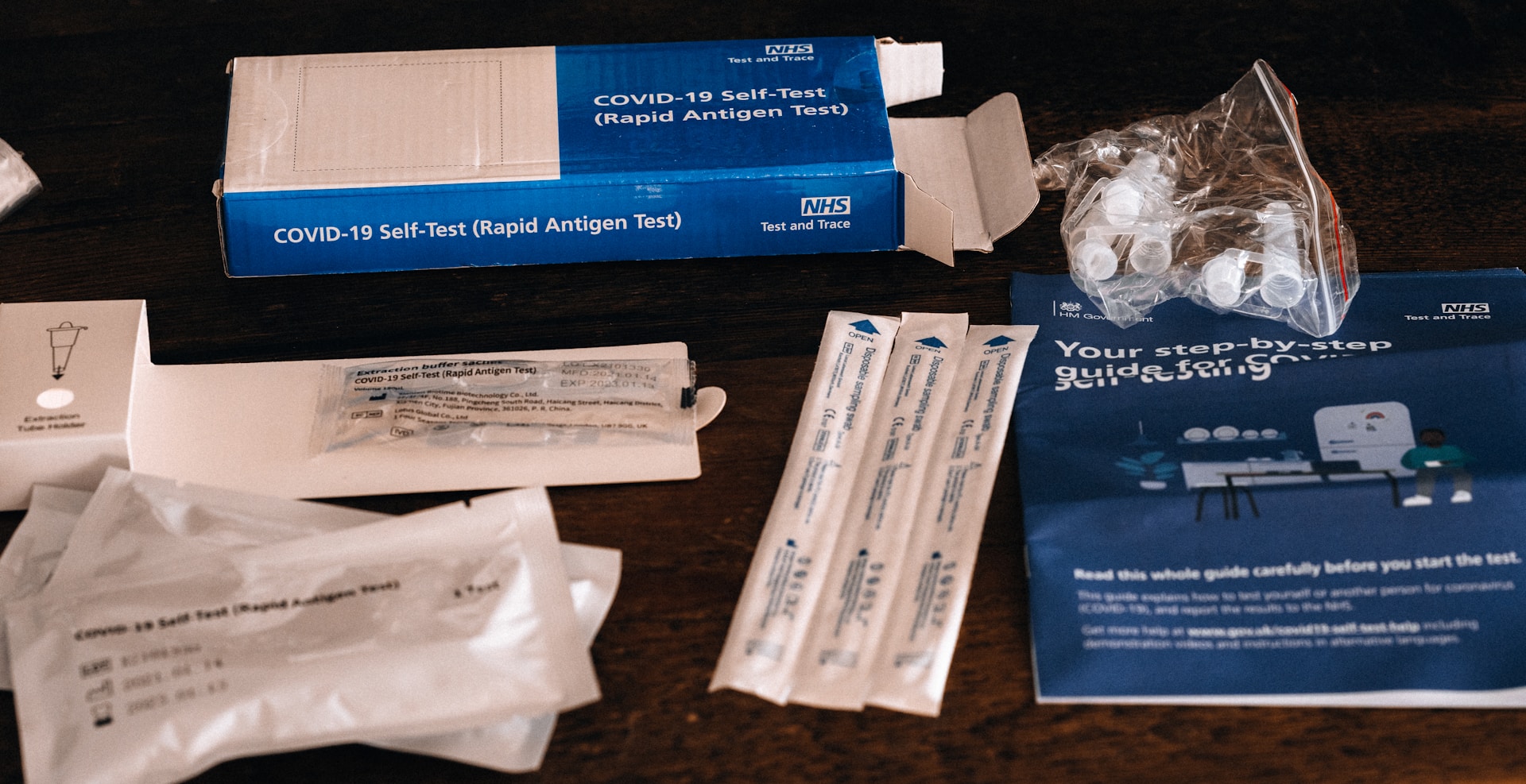
A practical home medical kit usually includes devices for monitoring common health issues, handling minor injuries, and responding to emergencies. The right setup depends on your age, family size, and any medical conditions, but these are the most useful essentials for most homes:
Basic Monitoring Devices
- Digital Thermometer
- For fever monitoring.
- A fast digital oral thermometer is usually best for adults and children.
- Blood Pressure Monitor
- Especially useful if anyone has high blood pressure, diabetes, heart disease, or is over 40.
- Automatic upper-arm monitors are generally more accurate than wrist models.
- Pulse Oximeter
- Measures oxygen saturation and pulse rate.
- Helpful during respiratory infections, asthma, COPD, or high fever.
- Glucometer
- Needed if someone in the home has diabetes or prediabetes.
- Includes lancets and test strips.
- Weighing Scale
- Useful for tracking general health, medication dosing, and chronic conditions.
First Aid & Emergency Devices
- First Aid Kit
Include:- Bandages and gauze
- Antiseptic solution
- Medical tape
- Scissors and tweezers
- Cotton and gloves
- Burn cream
- Pain relievers
- Hot and Cold Packs
- Reusable gel packs help with swelling, injuries, fever, and muscle pain.
- Heating Pad
- Useful for back pain, cramps, or muscle stiffness.
- Flashlight or Emergency Lamp
- Important during power outages or emergencies.
Respiratory Care Devices
- Steam Inhaler or Humidifier
- Helps with colds, sinus congestion, and dry air.
- Nebulizer
- Important if someone has asthma or breathing problems.
- Use only with prescribed medication.
Useful Specialty Devices (Optional)
- Digital ECG Device
- Some portable devices can detect irregular heart rhythms.
- More useful for older adults or heart patients.
- Medicine Organizer
- Helps manage daily medications correctly.
- CPR Face Shield
- Small emergency tool for safer CPR assistance.
- Medical Alert System
- Helpful for elderly family members living alone.
For Families With Children
- Nasal aspirator
- Pediatric thermometer
- Child-safe medicine syringe/dropper
For Elderly Family Members
- Walking cane or walker if needed
- Anti-slip bathroom mats
- Grab bars near toilets/showers
Devices Most Homes Prioritize First
If you want the most important items only:
- Thermometer
- Blood pressure monitor
- Pulse oximeter
- First aid kit
- Hot/cold packs
- Nebulizer (if respiratory issues exist)
Avoid buying expensive devices you won’t realistically use. Reliable, easy-to-use equipment is better than advanced equipment nobody understands.