Cryptocurrency is used in everyday life in several practical ways, although adoption varies by country and industry. Here are the most common real-world uses:
Payments and Shopping
Some businesses accept crypto for goods and services.
Examples:
- Buying electronics, clothes, or gift cards
- Paying for online subscriptions
- Booking hotels and flights
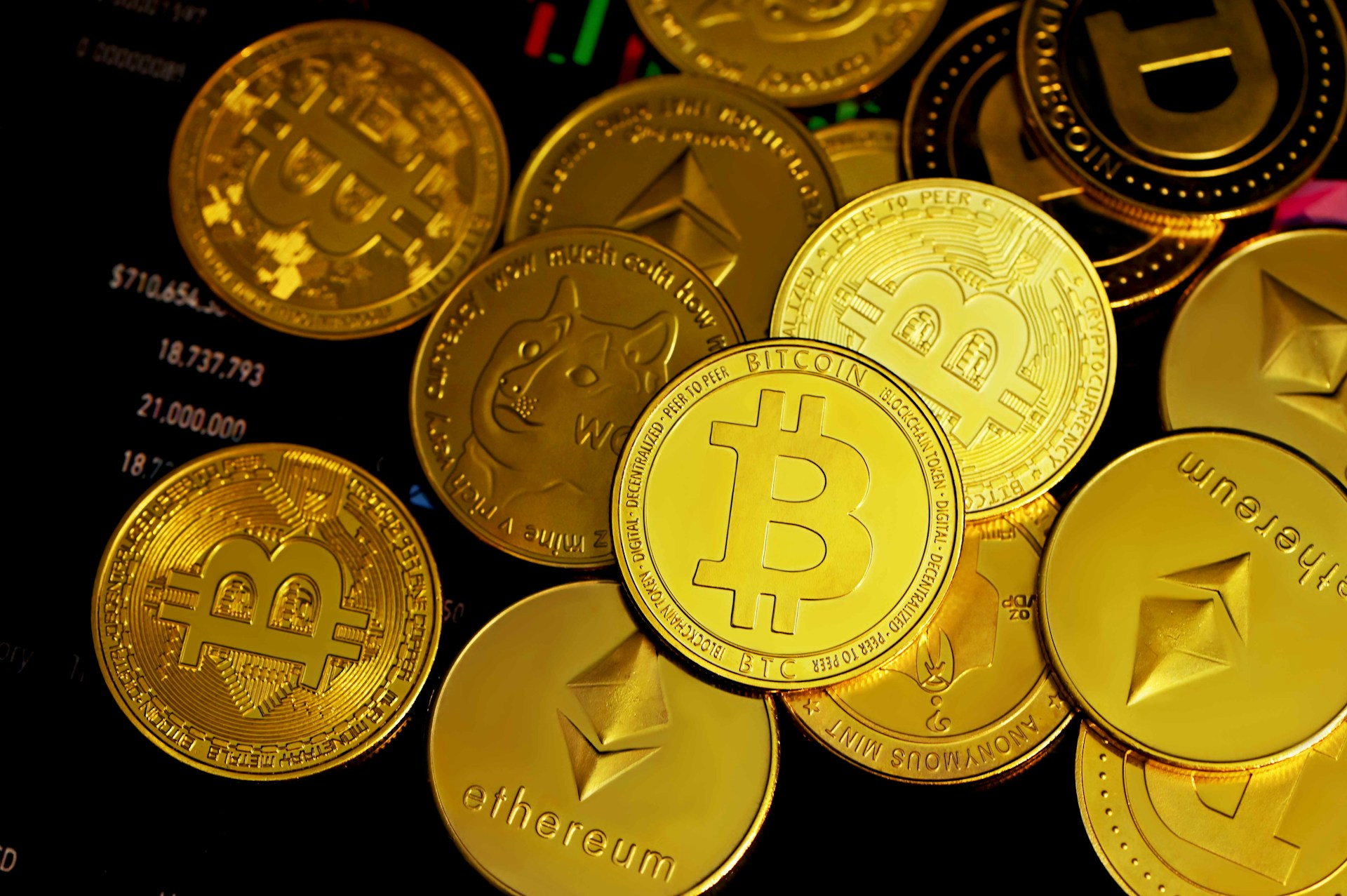
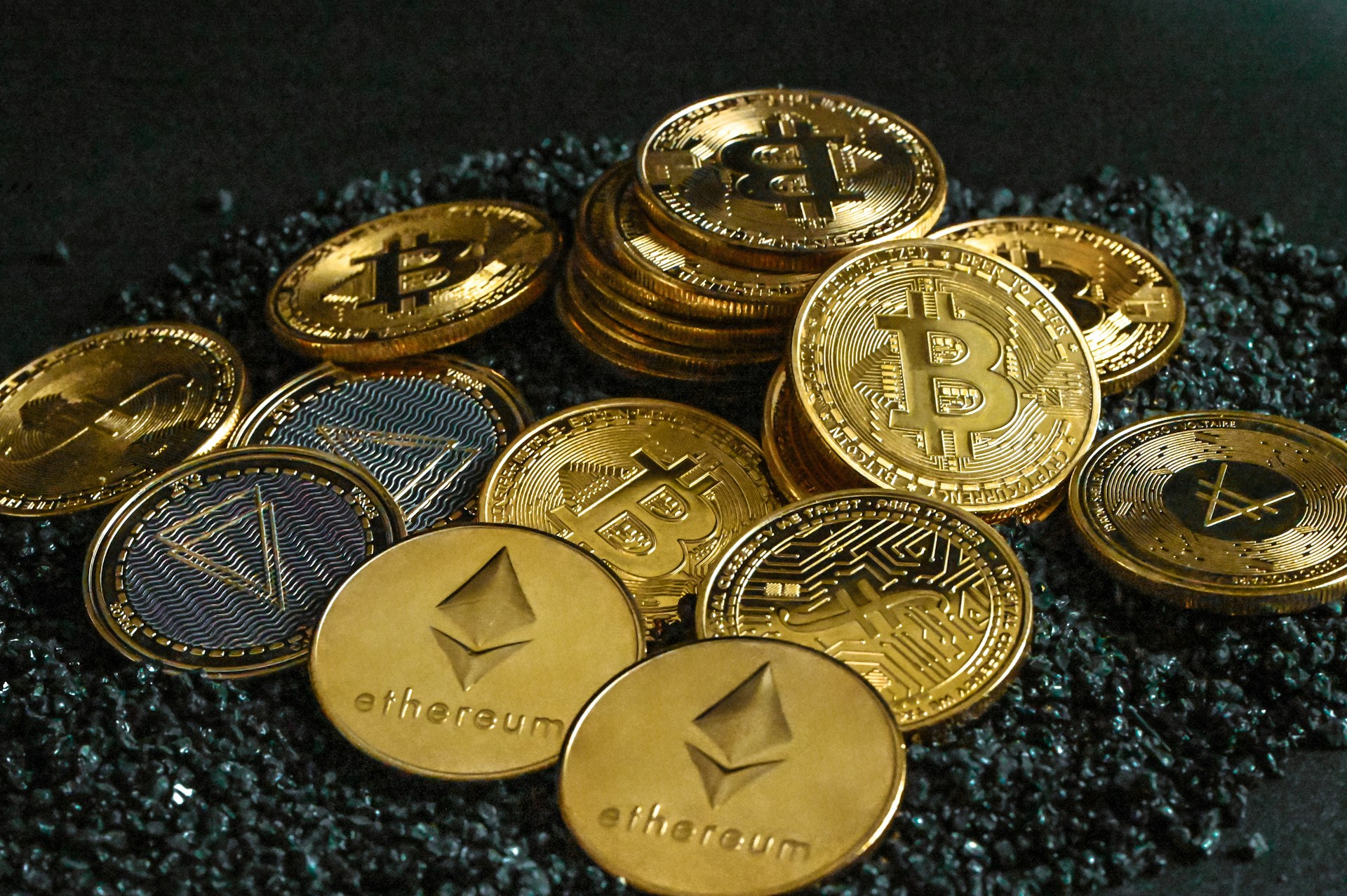
Popular cryptocurrencies for payments include:
- Bitcoin
- Ethereum
- USDT
Many people use stablecoins like USDT because their value is tied to the US dollar.
International Money Transfers
Crypto can send money across borders faster and sometimes cheaper than banks.
For example:
- Workers abroad send money to family members
- Freelancers receive international payments
- Businesses pay overseas suppliers
This is especially useful in countries with expensive remittance fees.
Online Freelancing and Remote Work
Some freelancers and remote workers are paid in crypto because:
- Payments arrive quickly
- No traditional bank is required
- It avoids currency conversion delays
Common among:
- Software developers
- Designers
- Content creators
Saving and Investing
Many people buy crypto as an investment, similar to stocks or gold.
Common activities:
- Long-term holding (“HODLing”)
- Trading on exchanges
- Earning interest through crypto platforms
Popular assets include:
- Bitcoin
- Ethereum
Gaming and Digital Ownership
Crypto is used in some video games and digital marketplaces.
Players can:
- Buy in-game items
- Trade digital collectibles
- Earn tokens through gameplay
Related technologies include NFTs and blockchain-based games.
Decentralized Finance (DeFi)
DeFi apps allow people to use financial services without traditional banks.
Users can:
- Borrow money
- Lend crypto
- Earn yield
- Exchange currencies
Many DeFi apps run on:
- Ethereum
- Solana
Everyday Mobile Payments
In some countries, people use crypto wallets like payment apps.
Examples:
- QR code payments
- Small business transactions
- Peer-to-peer transfers
This is more common in places with:
- High inflation
- Limited banking access
- Strong crypto adoption
Donations and Fundraising
Nonprofits and creators sometimes accept crypto donations because:
- Transfers are global
- Payments can be transparent
- Fees may be lower
Challenges in Everyday Use
Crypto still faces some limitations:
- Price volatility
- Scams and fraud
- Regulatory uncertainty
- Limited acceptance by stores
- Technical learning curve
Because of this, crypto is currently more common for investing and online transactions than for daily grocery shopping in most places.
If you’d like, I can also explain:
- how people actually pay with crypto step-by-step,
- the safest beginner crypto wallets,
- crypto use in India specifically,
- or examples of companies that accept crypto today.