“Finance trade” is not usually one single technical term. It generally refers to financial trading: the buying and selling of financial assets or financial instruments with the aim of making a profit, managing risk, or facilitating investment.
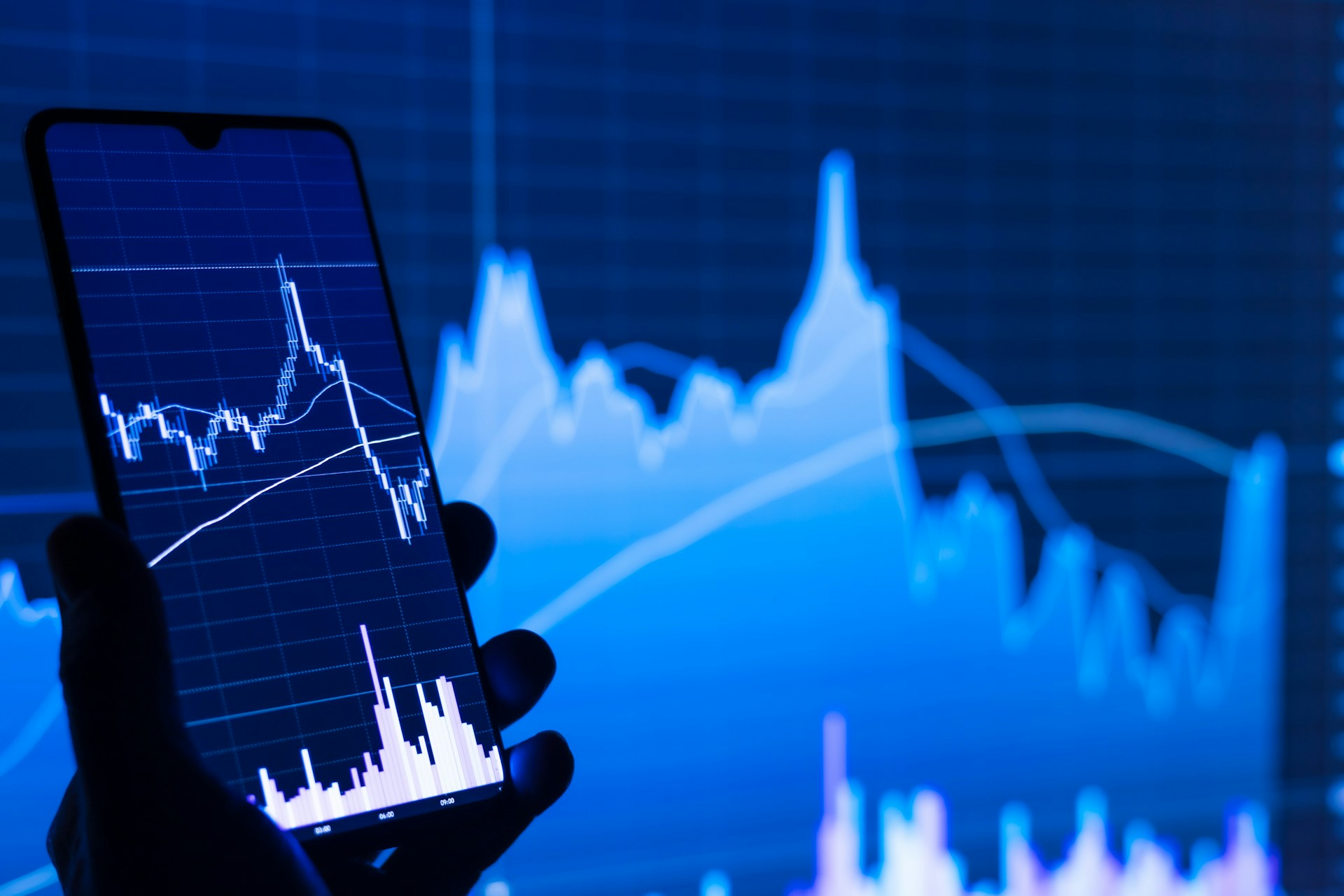
Financial trading can involve stocks, bonds, currencies (forex), commodities, derivatives, exchange-traded funds, and cryptocurrencies. A trader may buy an asset expecting its price to rise and later sell it at a higher price. Alternatively, a trader may sell an asset first and later buy it back at a lower price, depending on the market and the trading arrangement.
The basic idea is that finance provides the money, markets, institutions, and financial instruments, while trading involves transactions in those instruments. For example, if an investor buys shares of a company on a stock exchange, that transaction is a financial trade. If a company issues bonds and investors purchase them, that is also part of financial markets, although it is different from ordinary secondary-market trading.
Financial trading happens in several major markets worldwide. Stock markets trade ownership shares in companies. Bond markets trade debt issued by governments and companies. Foreign-exchange markets trade currencies such as the US dollar, euro, Japanese yen, British pound, and Indian rupee. Commodity markets involve assets such as crude oil, natural gas, gold, silver, wheat, and other raw materials. Derivative markets involve contracts whose value is based on another asset, such as futures and options.
There are also different types of traders. Day traders generally open and close positions within the same day. Swing traders may hold positions for several days or weeks. Position traders can hold investments for months or years. Institutional traders, working for banks, investment firms, pension funds, hedge funds, or other organizations, can trade very large amounts of capital.
Financial trading is not the same as investing, although the two overlap. Trading usually focuses more on shorter- or medium-term price movements, whereas investing commonly involves holding assets for a longer period based on expectations about their long-term value, income, or growth.
The purpose of trading is not always simply to make money from rising prices. Businesses and financial institutions also trade to hedge risks, obtain liquidity, manage currency exposure, adjust portfolios, and transfer financial risks. For example, an international company that expects to receive payment in another currency may use currency-related financial instruments to reduce the risk that exchange rates will move against it.
A simple example is a stock trade. Suppose a trader buys 100 shares at $50 per share, spending $5,000. If the shares later rise to $55 and the trader sells them, the gross gain is $500 before commissions, taxes, and other costs. If the price instead falls to $45, the trader would have a $500 loss. This illustrates one of the fundamental characteristics of trading: the possibility of profit comes with the possibility of loss.
Worldwide, financial trading is carried out through major financial centers and electronic markets, including markets in the United States, United Kingdom, European Union, Japan, China, India, Singapore, Hong Kong, Canada, Australia, and many other countries. Modern electronic systems allow financial instruments to be traded across borders and, in many markets, almost continuously.
So, in simple terms, finance trade means the buying and selling of financial assets, currencies, commodities, or financial contracts within financial markets. It is a major part of the global financial system, connecting investors, companies, governments, banks, and other institutions.