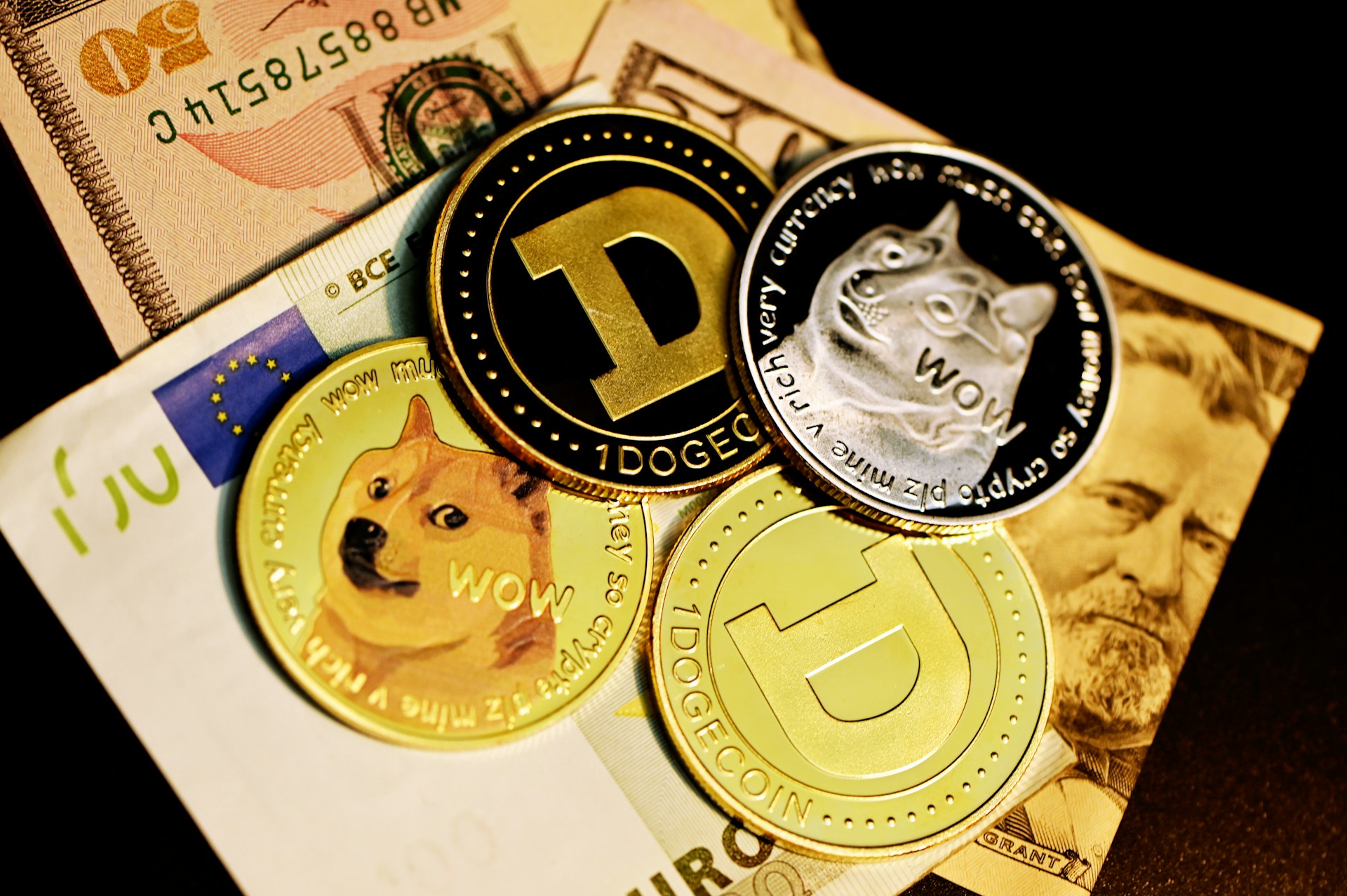
No — the proposed digital euro is not intended to replace cash. The European Central Bank has repeatedly said a digital euro would exist alongside physical euro banknotes and coins, not replace them.
Here’s the basic idea:
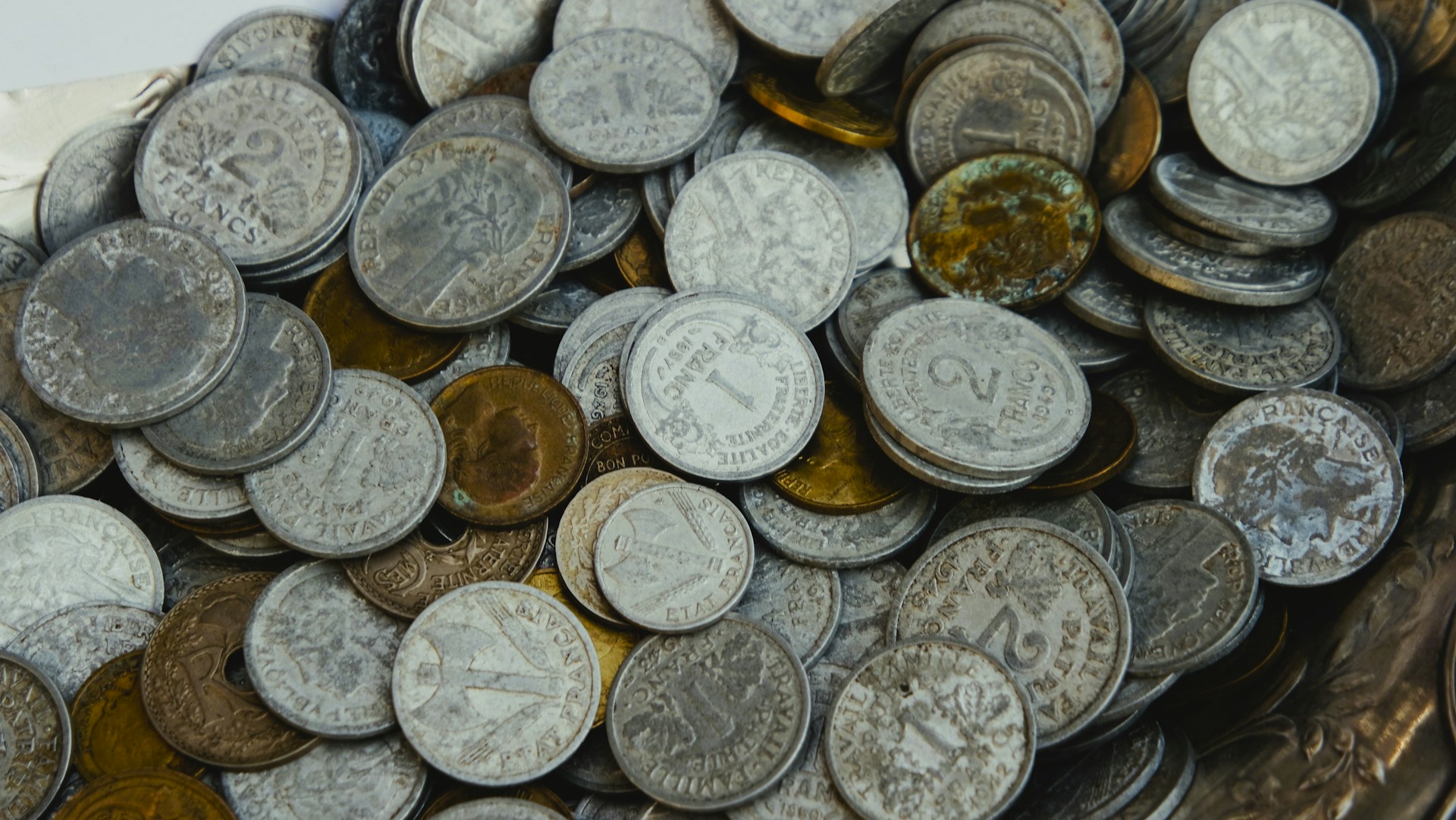
- Cash would remain legal tender for people who prefer paying with notes and coins.
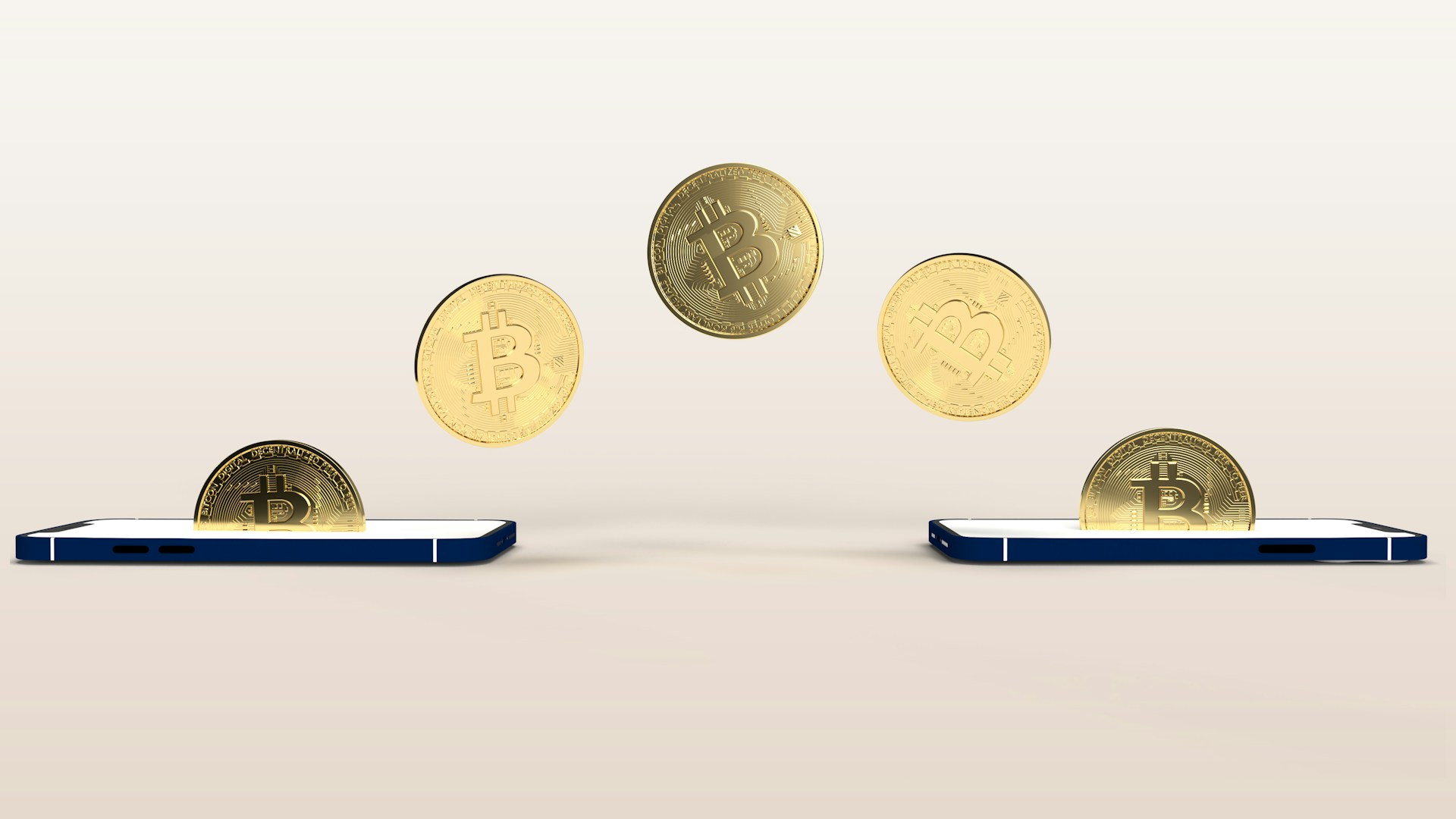
- A digital euro would be an electronic form of central bank money, mainly for online payments and digital transactions.
- It would work somewhat like digital cash issued by the central bank rather than by commercial banks.
The ECB argues the goals are:
- keeping public money available in a more digital economy,
- reducing dependence on non-European payment providers,
- improving payment efficiency and resilience.
There are still debates and concerns, including:
- privacy and government tracking,
- effects on commercial banks,
- cybersecurity risks,
- whether cash usage could gradually decline even if not officially abolished.
Some critics worry that over time digital payments could become dominant and cash might become less practical in daily life. Supporters say strong legal protections for cash can prevent that.
As of 2026, the digital euro is still being developed and discussed; it has not fully launched across the euro area yet.