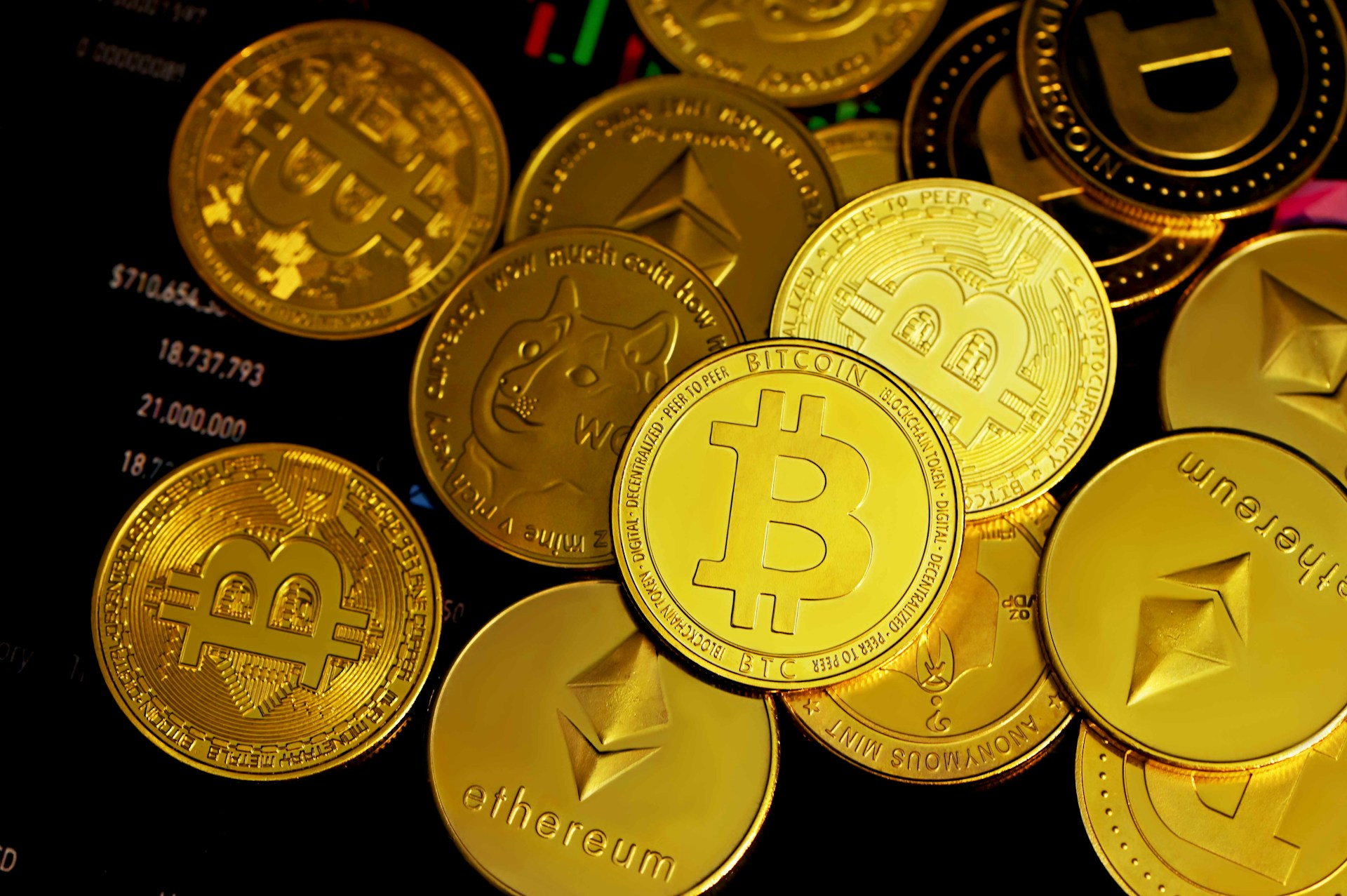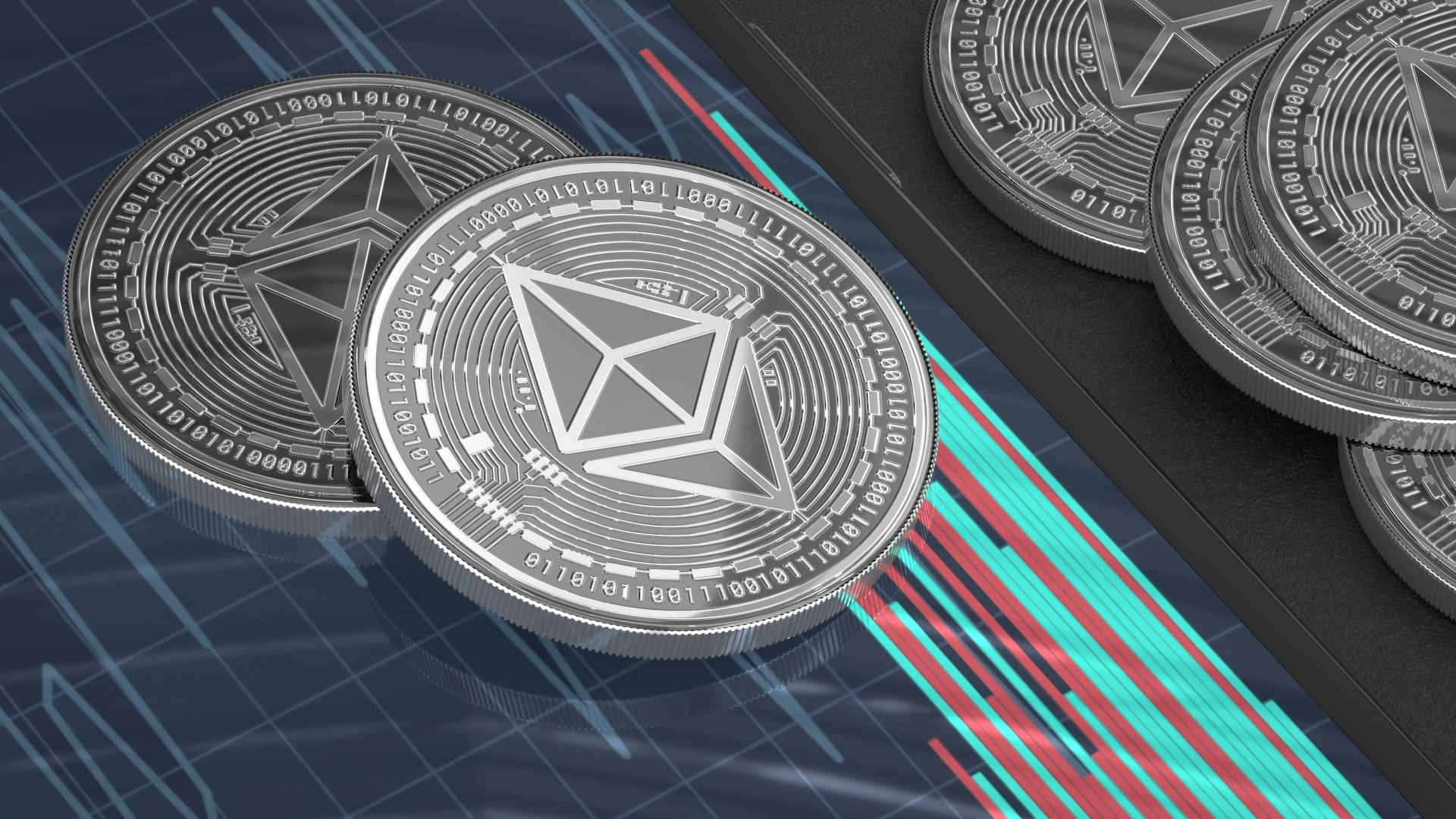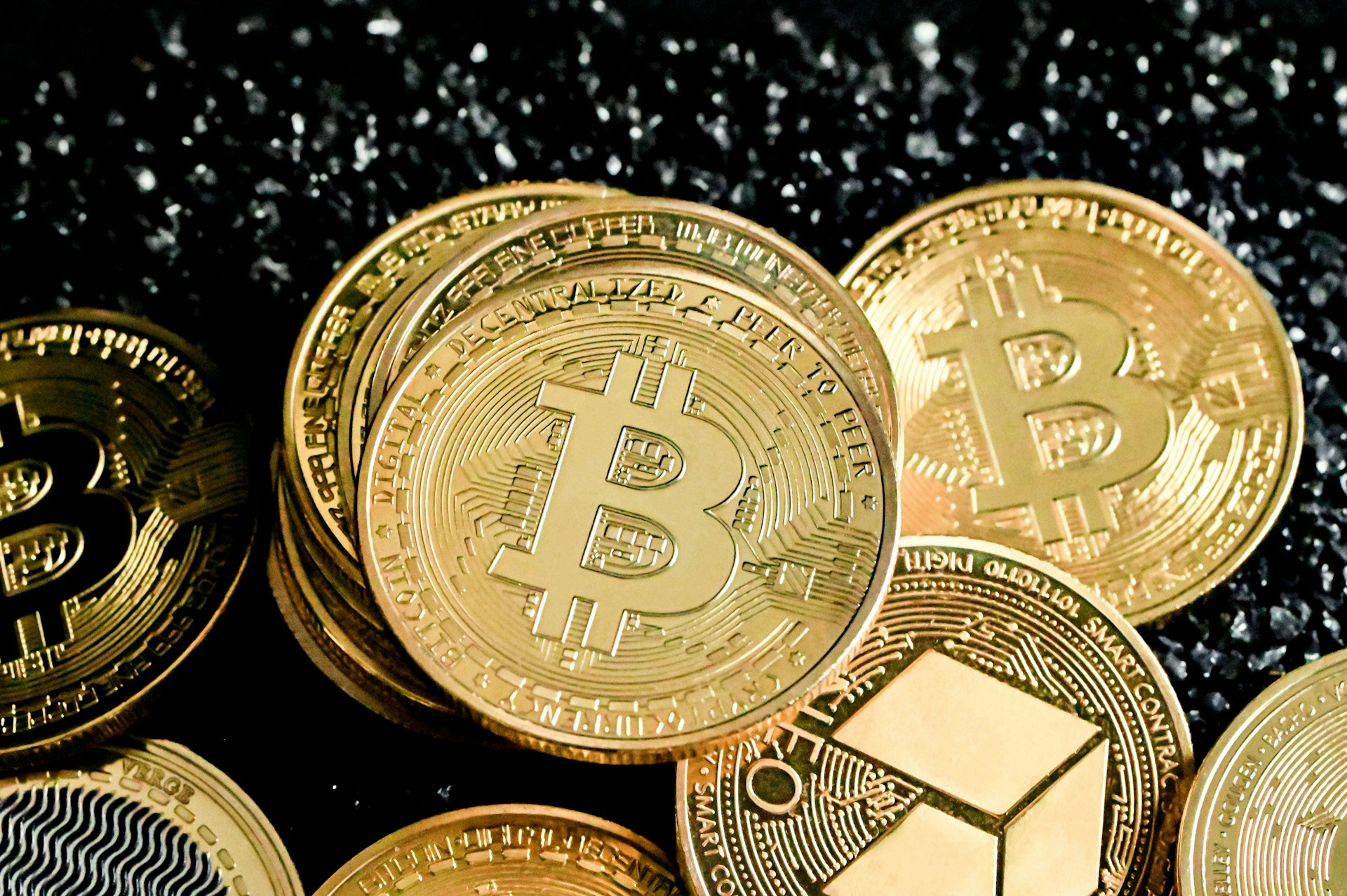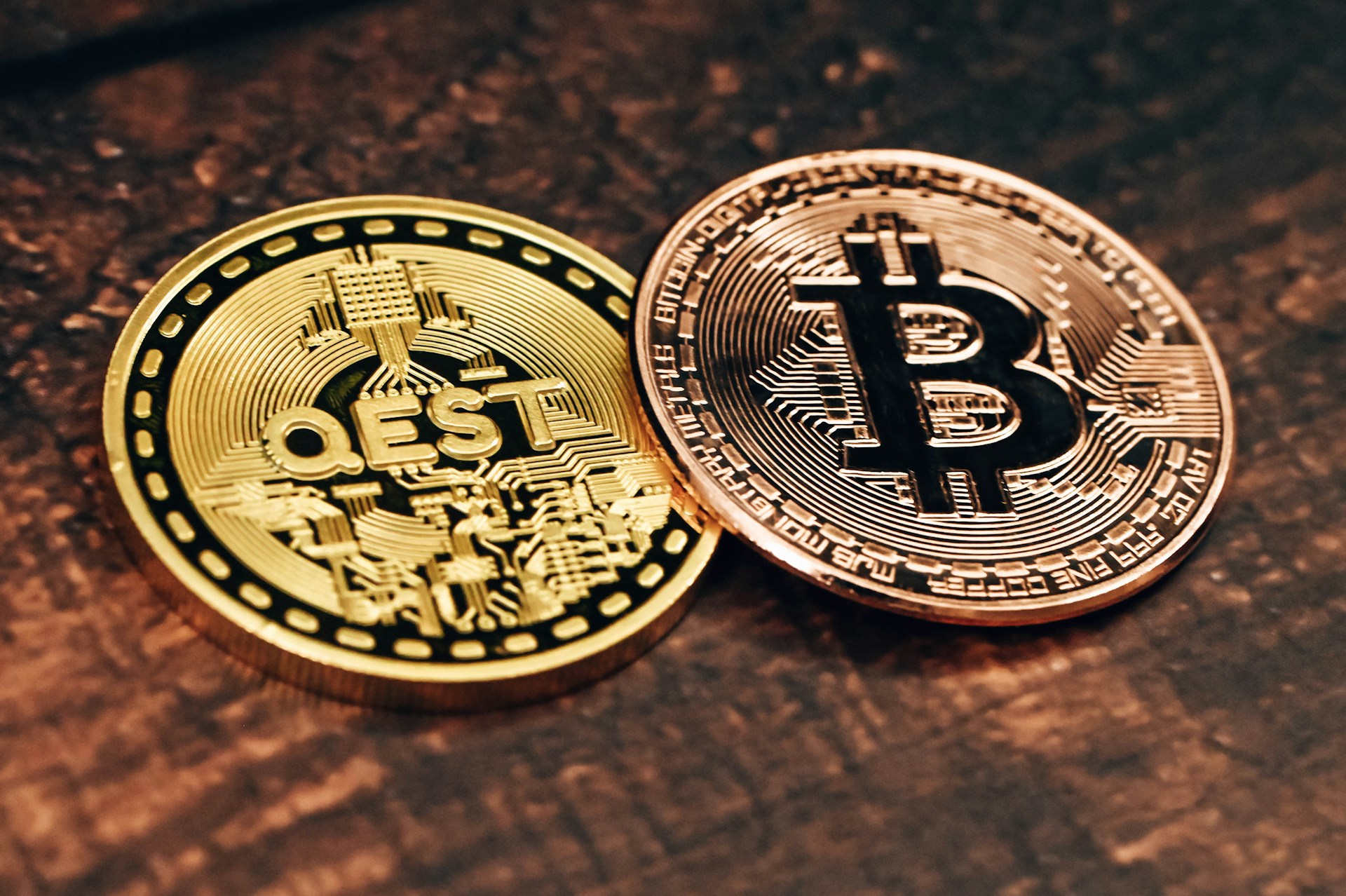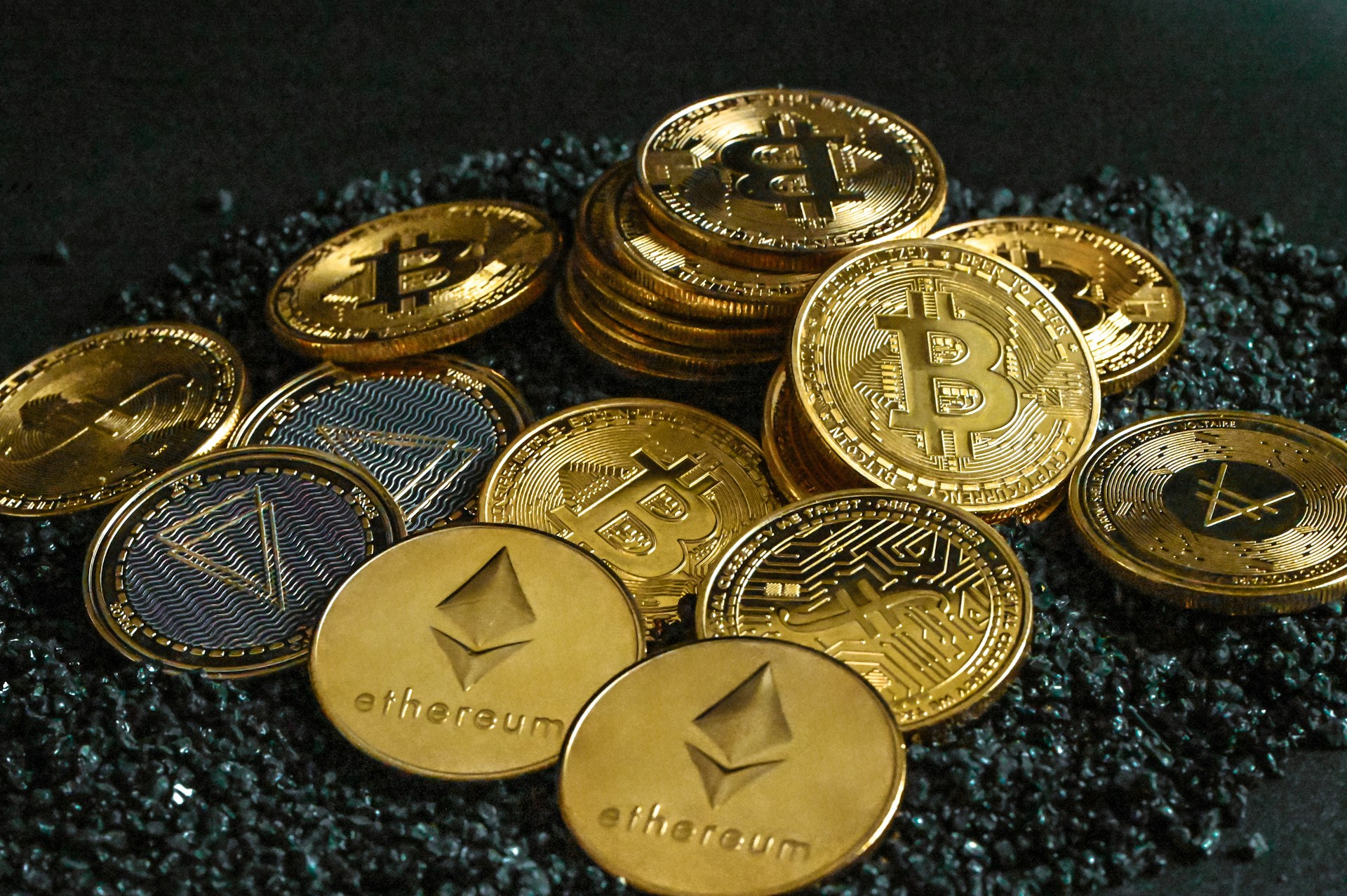
Investing in cryptocurrency can offer significant opportunities, but it also comes with substantial risk. Prices can rise or fall dramatically in short periods, so it’s important to understand what you’re investing in rather than chasing the latest trend. While no one can predict which cryptocurrency will perform best, several projects have established themselves through widespread adoption, strong technology, and active development.
1. Bitcoin
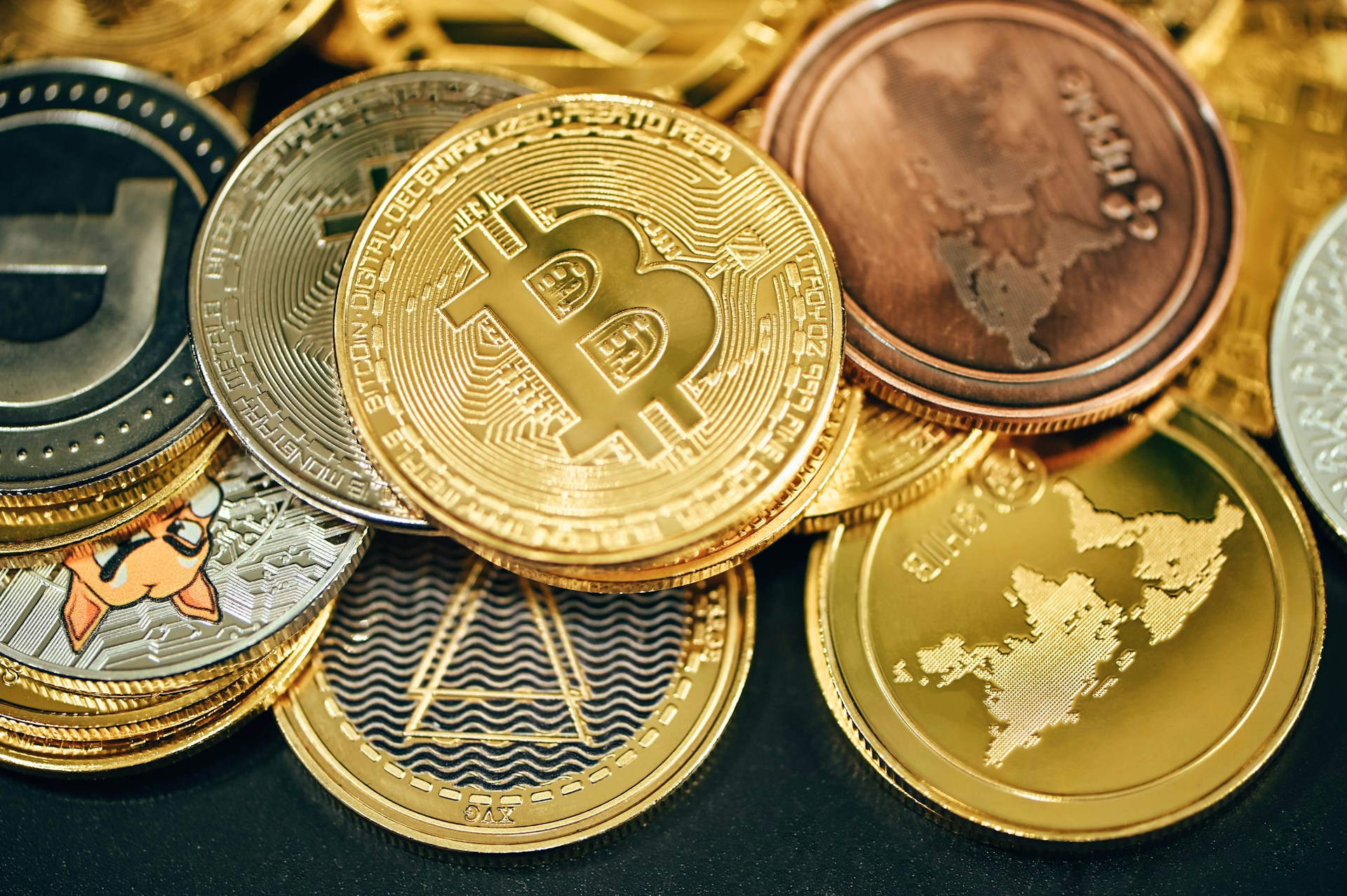
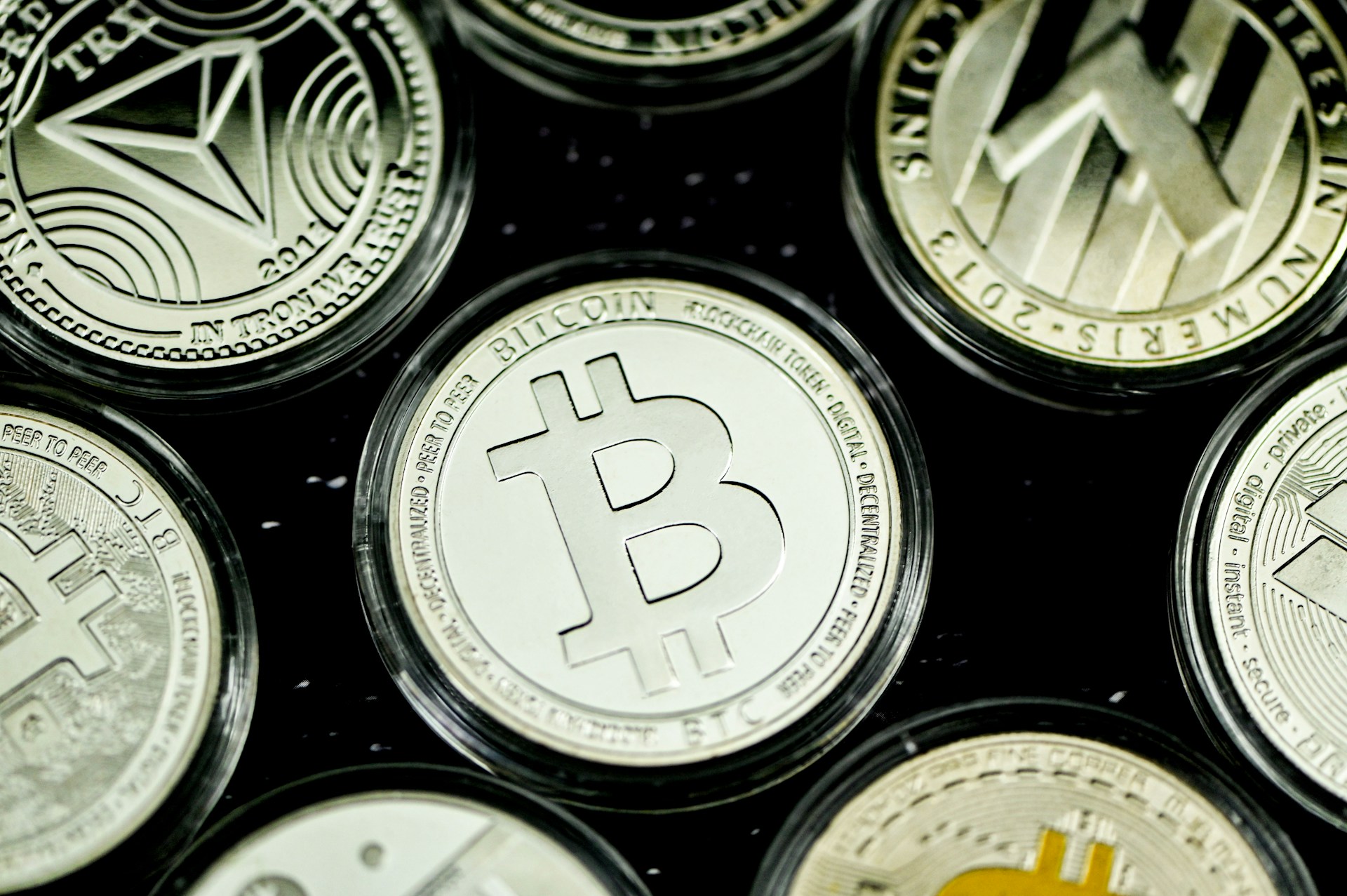
Bitcoin is the first and largest cryptocurrency by market value. It was created in 2009 as a decentralized digital currency that operates without a central bank or government.
Why many investors choose Bitcoin
- It has the longest track record of any cryptocurrency.
- It is widely recognized around the world.
- Many institutional investors have added Bitcoin to their portfolios.
- It has a fixed maximum supply of 21 million coins, making it scarce.
- It is often referred to as “digital gold” because some investors view it as a long-term store of value.
Advantages
- Most established cryptocurrency.
- High liquidity, making it easier to buy and sell.
- Strong security due to its large network.
- Broad acceptance across exchanges and investment products.
Risks
- Prices can still be highly volatile.
- Transaction fees may rise during periods of heavy network activity.
- It does not support advanced smart contracts as extensively as some newer blockchains.
Best for
Long-term investors who want exposure to the largest and most established cryptocurrency.
2. Ethereum
Ethereum is more than a cryptocurrency. It is a blockchain platform that allows developers to build decentralized applications, financial services, games, and digital collectibles.
Why investors like Ethereum
- It powers thousands of blockchain-based applications.
- It has one of the largest developer communities in crypto.
- Many blockchain innovations are built on Ethereum.
Advantages
- Large and active ecosystem.
- Strong long-term adoption.
- Continuous development and upgrades.
- Widely used for decentralized finance and token creation.
Risks
- Faces competition from faster blockchain networks.
- Network fees can become expensive during periods of high demand.
- Future success depends on continued developer and user adoption.
Best for
Investors looking for long-term growth through blockchain technology.
3. Solana
Solana is designed to process transactions quickly and at relatively low cost. It has become popular for decentralized applications, digital assets, and gaming.
Advantages
- Fast transaction speeds.
- Low transaction costs.
- Growing ecosystem.
- Increasing developer interest.
Risks
- More volatile than Bitcoin and Ethereum.
- Has experienced network reliability issues in the past.
- Faces strong competition from other smart contract platforms.
Best for
Investors who are comfortable with higher risk in exchange for higher growth potential.
4. Chainlink
Chainlink provides decentralized data services that connect blockchain applications with real-world information such as prices, weather data, and financial market information.
Advantages
- Important infrastructure for many blockchain projects.
- Strong adoption across decentralized finance.
- Unique role within the crypto ecosystem.
Risks
- Success depends on continued growth of blockchain applications.
- Faces competition from newer oracle solutions.
Best for
Investors interested in blockchain infrastructure rather than consumer-facing applications.
5. Avalanche
Avalanche is a blockchain platform focused on speed, scalability, and supporting decentralized applications.
Advantages
- Fast transaction processing.
- Low transaction costs.
- Flexible platform for developers.
- Growing ecosystem.
Risks
- Competes with several other smart contract platforms.
- Adoption is still developing compared with larger networks.
Best for
Investors seeking exposure to emerging blockchain platforms.
Comparison
| Cryptocurrency | Risk | Long-Term Potential | Suitable For |
|---|---|---|---|
| Bitcoin | Low (relative to crypto) | Very High | Conservative crypto investors |
| Ethereum | Medium | Very High | Growth-focused investors |
| Solana | High | High | Higher-risk investors |
| Chainlink | Medium-High | High | Infrastructure-focused investors |
| Avalanche | High | High | Emerging blockchain exposure |
Example Portfolio Allocations
Conservative
- 70% Bitcoin
- 30% Ethereum
Balanced
- 50% Bitcoin
- 30% Ethereum
- 10% Solana
- 10% Chainlink
Aggressive
- 35% Bitcoin
- 25% Ethereum
- 20% Solana
- 10% Chainlink
- 10% Avalanche
Investment Tips
- Invest with a long-term perspective rather than trying to time the market.
- Diversify instead of relying on a single cryptocurrency.
- Keep your investment size appropriate for your financial situation.
- Expect significant price swings and avoid making emotional decisions during market volatility.
- Learn about each project’s purpose and technology before investing.
Conclusion
For most long-term investors, Bitcoin remains the strongest choice because of its history, adoption, and scarcity. Ethereum is often considered the best complement due to its leading role in smart contracts and decentralized applications. Investors willing to take on more risk may allocate a smaller portion of their portfolio to projects like Solana, Chainlink, or Avalanche, recognizing that these assets can experience much larger price fluctuations.